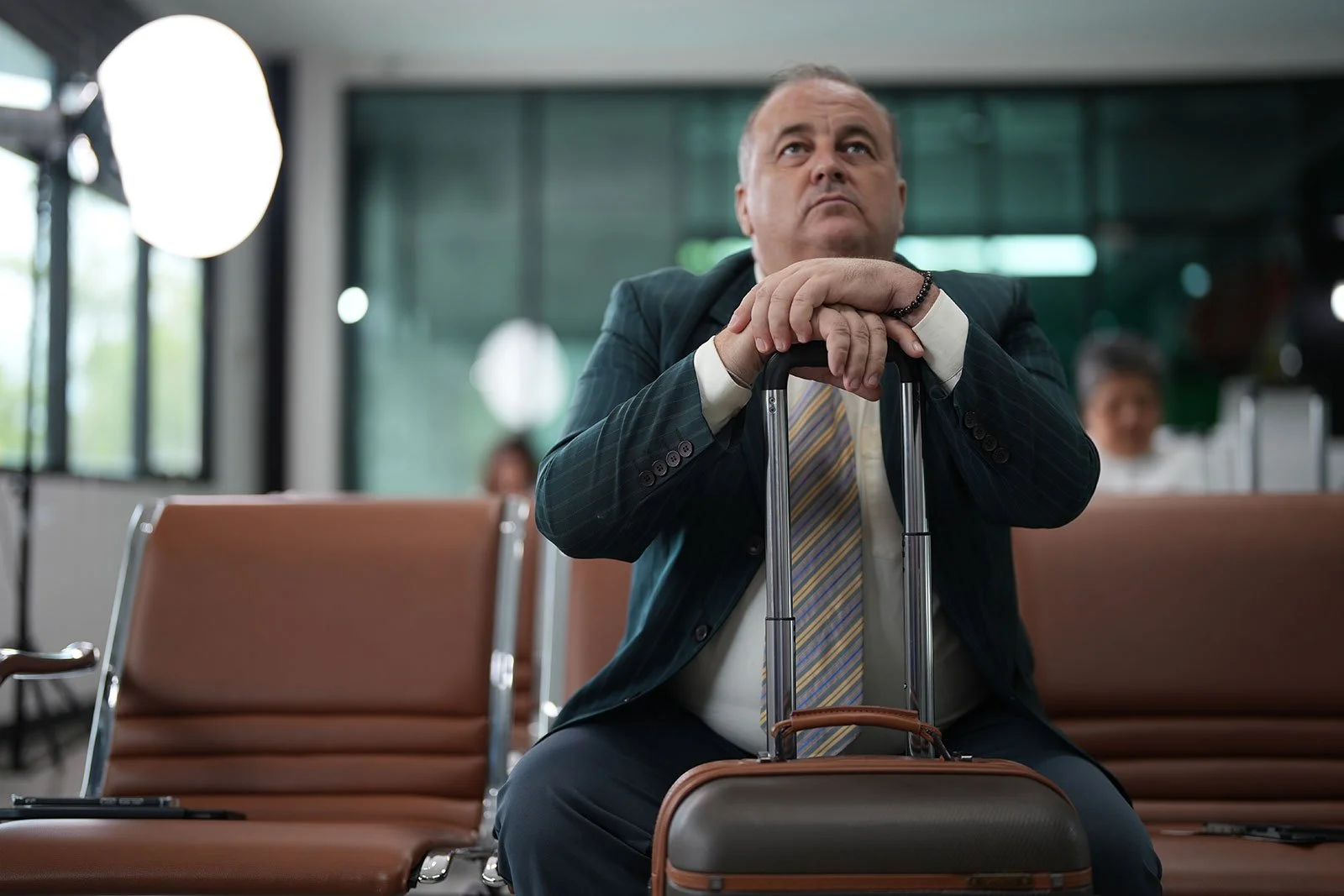
Why the cheapest business trip can turn out to be the most expensive.
Somewhere in Britain, at this very moment, a procurement manager is congratulating themselves on saving £80 on an airline ticket.
There may even be a spreadsheet involved. Possibly a graph. Perhaps a small celebration involving a supermarket sandwich and a sense of enormous professional achievement. Meanwhile, the company's commercial director is sitting in Frankfurt Airport having been awake since 3.45am, contemplating whether the hit from a third Espresso may or may not be a wise idea when about to attend a meeting worth several million pounds.
But never mind. The company saved £80… Welcome to the deranged world of corporate travel economics where we've become extraordinarily sophisticated at measuring the price of travelling and remarkably primitive at understanding the cost.
Consider this; one airline ticket costs £420, another costs £340. Therefore, according to the magnificent logic of the spreadsheet, the second one is better. Except, the cheaper flight departs at an hour when only burglars and dairy farmers should be awake, involves a connection through a country nobody intended to visit, and arrives just in time for you to stagger into a boardroom looking like a newly released hostage.
But the spreadsheet doesn't have a column for that. And therein lies the problem. We've confused the price of something with its value. It's a distinction that behavioural psycho-analysts have been banging on about for years.
A company will happily spend £150,000 recruiting an exceptional executive, invest thousands in their development, and then insist they take the cheapest available flight because paying an extra £80 would be irresponsible.
This is rather like buying a Ferrari and insisting it runs on cooking oil because petrol has become expensive. And the interesting thing is that people don't behave this way in their personal lives. Imagine organising your wedding and deciding to save £200 by hiring a photographer who can only attend while the happy couple are getting ready and must leave before the ceremony.
Technically, you've saved money. Practically, you've lost the plot. Yet in business, we routinely make key decisions that optimise one tiny component irrespective of a much larger outcome. And because the saving is visible, measurable and easy to report, it feels wonderfully responsible.
The opportunity cost? The fatigue? The delayed decision? The client relationship that didn't quite develop? These things are invisible, and invisible costs in corporate life have until now had a remarkable habit of not existing.
Of course, I'm not suggesting every business traveller should be transported around Europe in a private jet, reclining on Egyptian cotton while being fed grapes by cabin crew. That would be ridiculous (but make good reality TV).
I'm suggesting something considerably more radical. Perhaps we should judge business travel by the business it enables, rather than merely the price of getting there.
Let’s not fool ourselves, because sometimes the cheapest flight genuinely is the smartest choice. But sometimes spending another £80 produces a rested employee, a better meeting, a stronger relationship and a vastly better commercial outcome. And sometimes the most fiscally prudent decision is to spend more but invest your money wisely. This unfortunately, is a concept that will make certain spreadsheets spontaneously combust.
So the next time someone proudly announces they've reduced the company's average airfare by 12%, perhaps ask a different question. Did the trips actually achieve what they were supposed to? Where’s the ROI? Because saving £80 is wonderful. Unless it costs you £8,000. Or heaven forbid, £800,000.
It’s the things that don’t show up in the costings that matter and that’s what we factor in at Meon when we advise our clients. We think beyond the figures and look at the real costs - and we believe you should too.
Meanwhile, congratulations on the spreadsheet.
Make every business journey worth taking
Look beyond the ticket price. Let Meon help you build a smarter travel programme that balances cost, traveller wellbeing, productivity and genuine business value.