Concerns rise over EU border control delays as flexibility is removed
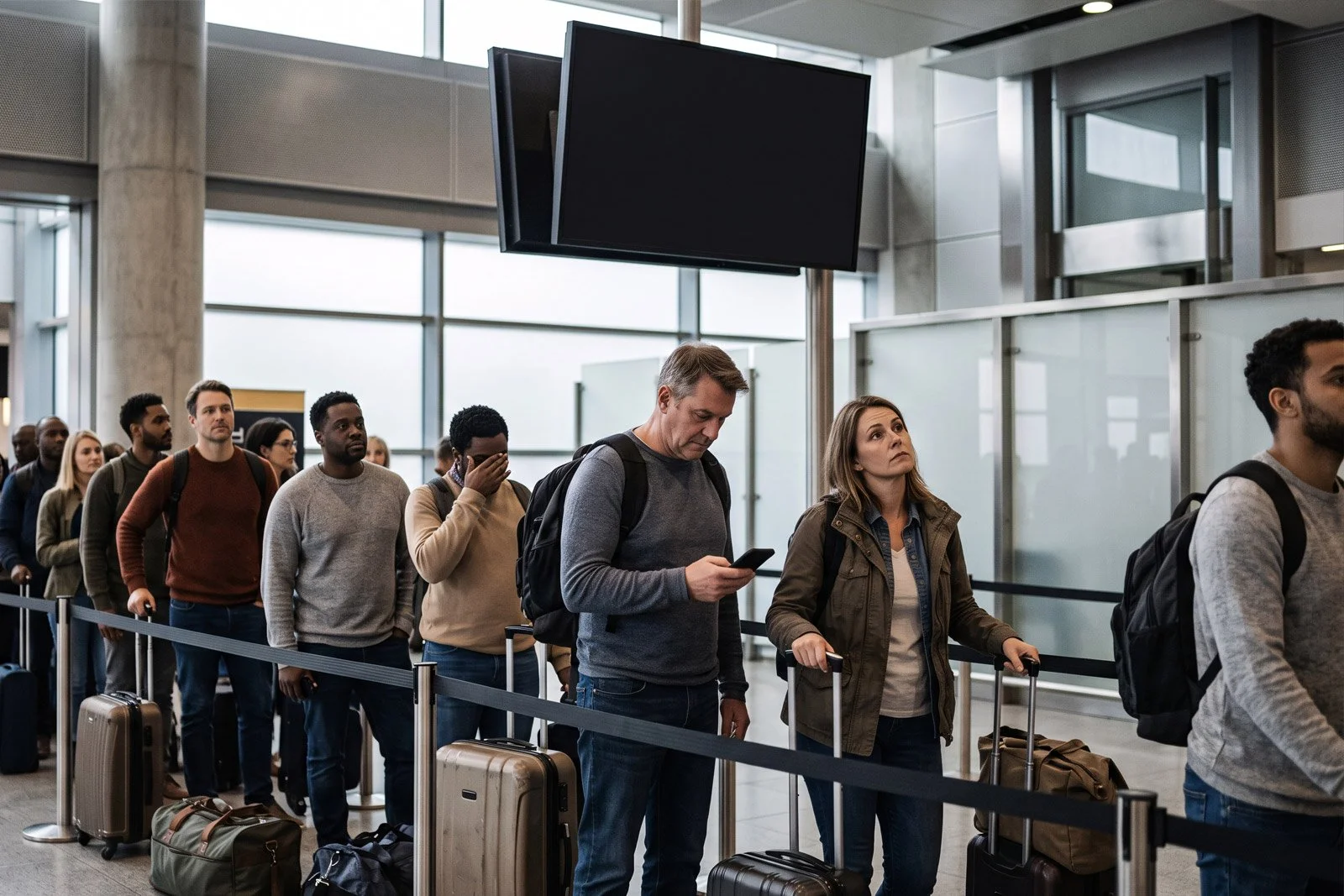
EU Entry/Exit System changes could mean longer border queues and greater connection risks. Here’s what UK business travellers need to know before travelling to Europe.
UK business travellers heading into Europe could face longer border queues following the latest stage of the EU’s Entry/Exit System (EES) rollout.
On 7 September, flexibility for authorities to temporarily suspend biometric checks when queues become excessive ended. Industry bodies have warned this could increase waiting times at busy European borders.
EES uses biometric information, including fingerprints and facial images, to register non-EU nationals travelling for short stays. According to IATA, these checks can take approximately 90 seconds per passenger, compared with around 25 seconds under the previous manual process. That’s once you’ve reached the head of the queue – and it may be quite some queue.
What does this mean for business travellers?
The key message from Meon Travel is simple: allow more time and build greater contingency into your journey.
EES processing takes place at government-operated border controls. If delays mean a traveller misses an onward flight or connection, the resulting costs may fall to the traveller or their business, rather than the airline.
This makes careful itinerary planning particularly important. Tight connections that may previously have been comfortable could carry greater risk, especially through busy airports and at peak travel times.
Where a travel management partner makes the difference
Changes such as EES highlight why managed business travel extends far beyond making a reservation.
Tony McDaid, Head of Client Services at Meon, states: “We help businesses keep their travellers informed, their itineraries visible and their travel plans supported when circumstances change. Our Duty of Care approach emphasises keeping traveller profiles current, recording business travel and having appropriate processes in place to support employees when disruption occurs.”
Meon recommends that travellers heading into Europe:
Allow additional time for border processing.
Avoid unnecessarily tight onward connections.
Keep passport and traveller profile information up to date.
Check the latest official entry guidance before travelling.
Book through the approved corporate travel programme so journeys remain visible and support can be provided when required.
Tony continues: “EES is another reminder that business travel is increasingly about more than getting the right flight at the right price. It’s about making sure your people are prepared, visible and supported throughout their journey.”
For upcoming European travel, speak to your Meon Travel team for advice and support with your arrangements.