Beware: The EU’s Entry-Exit System (EES) is now fully operational
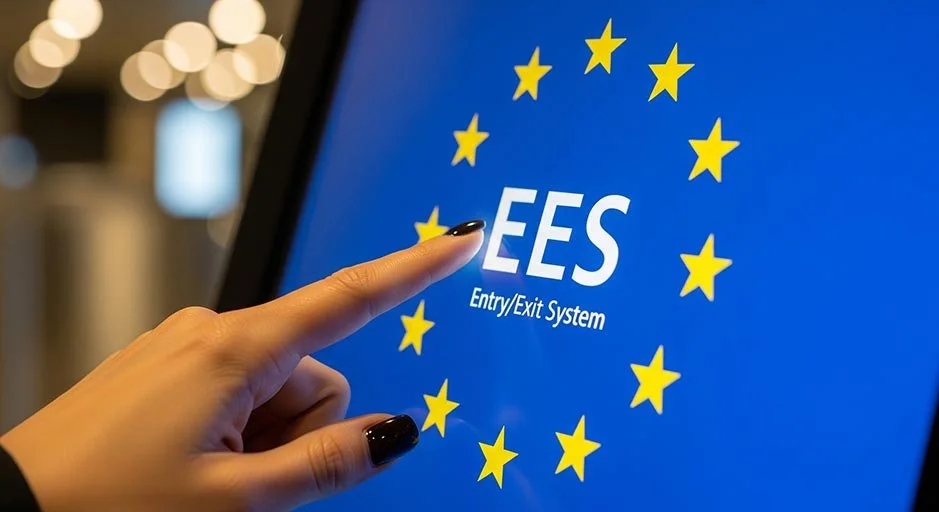
With reports of delays and operational challenges, we explain what’s changing, what to expect at borders and how to prepare for smoother journeys.
The EU’s much-delayed Entry-Exit System (EES) was fully implemented on 10 April after its six-month transition period expired, amid warnings passengers could face significantly longer wait times at airports in the coming weeks and months – warnings that have already become reality.
The new system requires the collection of biometric data, including facial image scans and fingerprints, from passport holders of third countries, including the UK, US and Australia. Data is collected on arrival at the EU border in any of the 29 Schengen Area countries.
But not all countries have been able to roll out the system in time, with French authorities dealing with ongoing technical and operational problems, according to media reports. This will mean passport stamping is likely to continue for non-EU passengers using trains and ferries between the UK and France over the next few weeks.
Eurotunnel train operator LeShuttle said in a statement: “Full biometric checks will be introduced once we receive the formal go-ahead, with the rollout carefully scheduled and coordinated.”
A Eurostar spokesperson said it was working closely with French and EU authorities to introduce the next stages of EES.
"Kiosk-based processing is not yet operational, and we are awaiting further guidance from the French Ministry of the Interior on the activation of these systems," added the spokesperson. "Additional lanes for manual border processing have been introduced in London St Pancras and Paris to support customer flow.”
The European Commission has insisted it is giving the 29 participating countries “certain flexibilities” to avoid excessive queues this summer. It added most countries had already registered more than 75 per cent of border crossings ahead of 10 April. A spokesperson added the process only took around 70 seconds when the system is “operating well”.
But aviation groups ACI Europe and Airlines for Europe (A4E), have warned waiting times at airports have been “deteriorating” in recent months due to EES requirements, with regular queues of up to two hours at peak traffic times. They called for extra flexibility to be able to partially or fully suspend EES at crucial times.
Julia Lo Bue-Said, CEO of TMC network Advantage Travel Partnership, said: “It’s likely the public will experience bottlenecks caused by the new system, as anyone without an EU passport will be required to have their fingerprints and photo registered at security points.
“We urge travellers to allow additional time for their travel to mitigate any risk of delays as even those who are already registered with EES will be subject to these queues.
“With flights to destinations in the Middle East still facing significant disruption, we predict more UK travellers will now be heading to European destinations, which ultimately will increase the length of these queues.”
She also reiterated travel industry calls for a “flexible suspension option” during peak travel periods this summer to “help manage operational pressures and ensure a smoother experience for travellers”.