Tourism levies must exclude business travel, say industry leaders
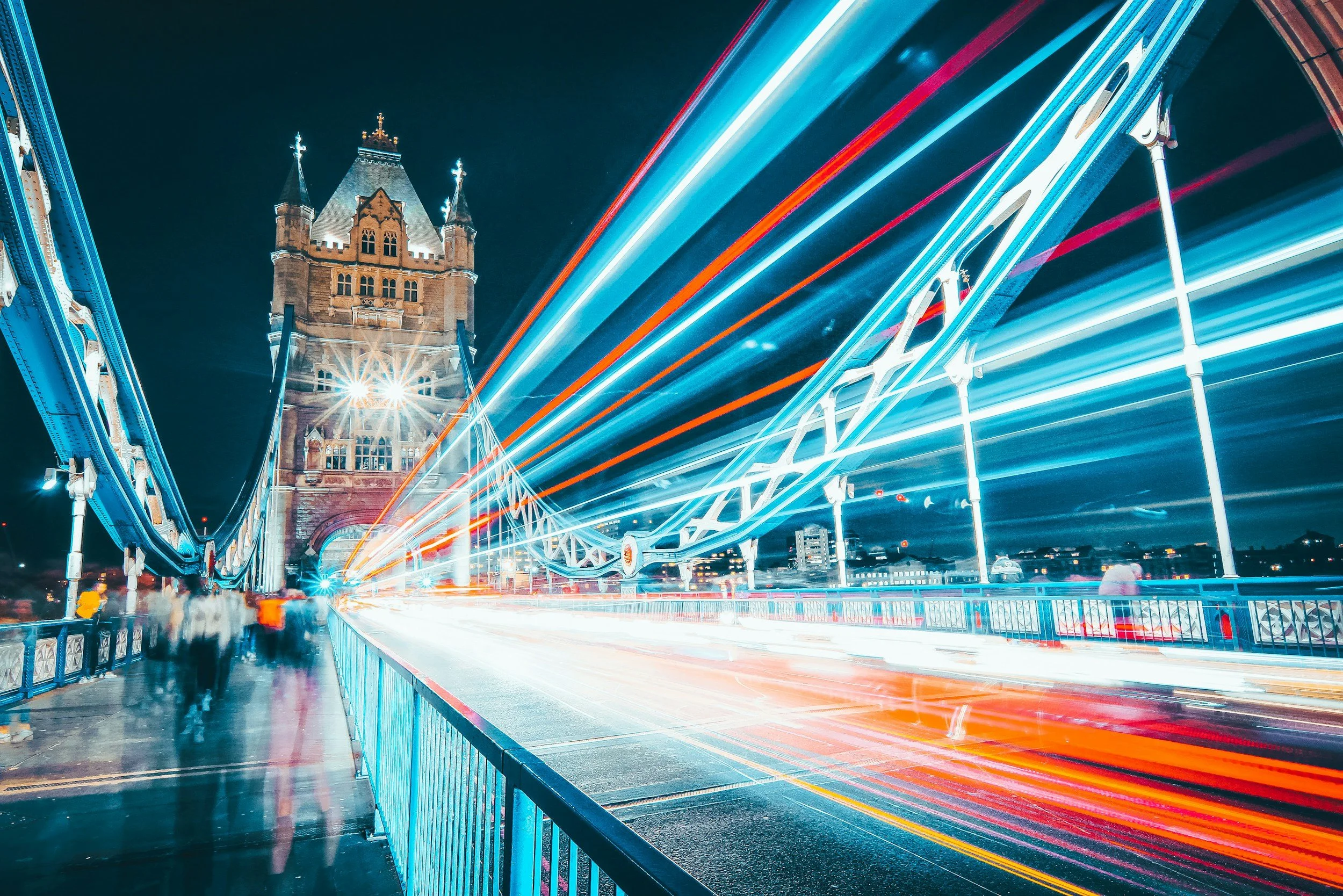
Tourism levies could hit business travel. Industry leaders warn rising costs may impact productivity, growth and corporate travel budgets.
Ever get the feeling someone’s quietly slipped a hand into your wallet… and isn’t in any hurry to take it out?
Of course you have. Because that, in a nutshell, is what’s brewing in the world of business travel right now. And not in a gentle, “we’ll have a look at it later” sort of way but in a full-blown, rev-the-engine, something’s-about-to-explode kind of way.
You see, the great and the good of the industry, led by the Advantage Travel Partnership, the Global Business Travel Association and the Institute of Travel Management—have all come together. Which is about as common as finding three supercars that all agree on cupholder design. And they’ve sent a very clear message to the UK Government: hands off business travel.
Why? Because someone, somewhere in Whitehall, has had the bright idea of introducing a shiny new “Overnight Visitor Levy.” Sounds innocent. Harmless. Like a small charge for tourists wandering about in flip-flops.
Except it isn’t. Because tucked inside this neat little idea is the possibility that business travellers… people who are not on holiday, who are not sipping cocktails by a pool, who are instead dragging themselves through delayed trains and beige conference rooms might get caught in the net.
And that’s where the trouble starts.
The industry’s argument is beautifully simple. Business travellers already pay their way. Actually, they pay everyone’s way through taxes, transport fares, business rates; you name it. They’re not a burden on the economy; they are the economy.
Add another levy and what happens? Costs go up. Employers wince. Employees groan. Supply chains start to wobble like a poorly assembled IKEA shelf. Productivity drops. And suddenly your grand plan for “regional growth” looks like it was scribbled on the back of a napkin after a long lunch.
Now, to be fair, the Government isn’t completely off its rocker. The idea is to give local authorities the power to raise money, fund infrastructure, improve public spaces, make things generally less… grim. All good stuff.
But taxing business travel to achieve this is like charging firefighters for the water they use. It completely misses the point.
So the industry has laid down some ground rules. Calmly, sensibly, but with the unmistakable tone of “don’t even think about it.”
First: business travel must be exempt. Not “maybe,” not “we’ll see” just exempt. Full stop.
Second: consistency. Because the last thing any company needs is a patchwork of different charges depending on which part of the Country they happen to land in. Running a business is hard enough without needing a calculator every time someone books a hotel in a different postcode.
Third: if you are going to introduce these levies, at least spend the money properly… on transport, infrastructure, and places that don’t look like they were last updated when cassette tapes were still a thing.
And finally: clarity. No last-minute curveballs. No confusing rules. Tell people what’s happening, give them time to prepare, and for heaven’s sake make it transparent.
The voices from the industry aren’t exactly being shy about this.
One pointed out (quite rightly) that business travellers are not tourists. Their journeys aren’t optional; they’re essential. They drive jobs, investment, skills, infact everything that keeps the economic engine from seizing up. Slap a “tourist tax” on that, and you’re effectively taxing productivity itself.
Business travel is the lifeblood of the UK economy, fuelling growth creating jobs, and generating tax revenue. Treating it like a weekend getaway isn’t just wrong, it’s borderline absurd.
And the final word? Business events and travel aren’t about leisure. They’re about deals, innovation, and keeping the whole machine running. Tax that, and you’re not targeting tourists, you’re putting a toll booth in the middle of the motorway.
So yes, if this goes the wrong way, don’t be surprised if that familiar feeling returns. That slight tug at your pocket. That quiet suspicion that somewhere, somehow… someone thinks your wallet still has a bit more to give.